
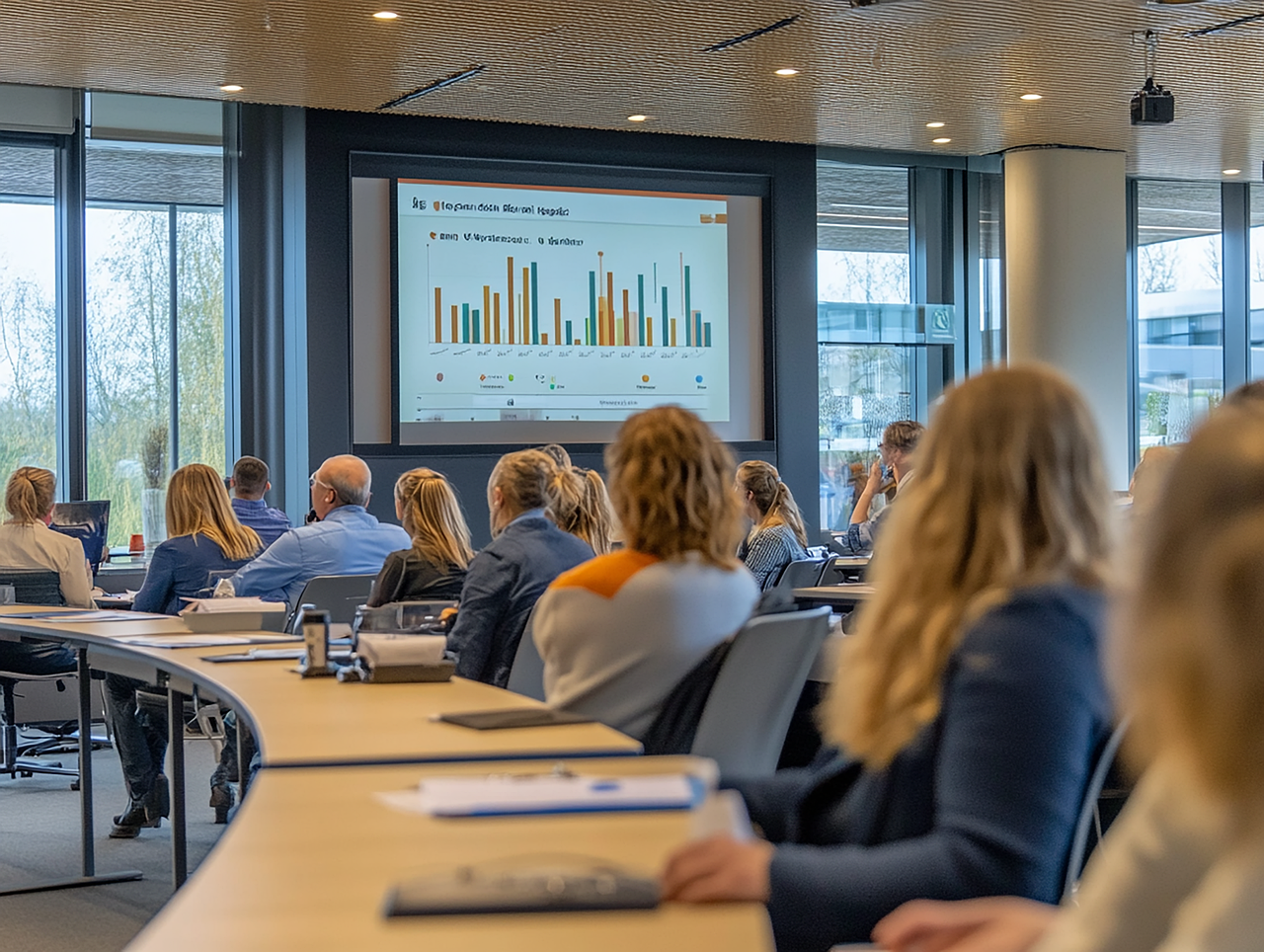
Many organizations say they value learning, but what they often mean is that they value content. You can see it in how training budgets are spent: slide decks, knowledge dumps, polished facilitator guides, and events built around presentations.
This is understandable — content is tangible. You can hold a participant guide, admire a sleek slide deck, or point to assets in a learning management system. And when all of that is wrapped in clean layouts and digital engagement tools, it can look impressive.
But learning isn’t a static piece of content we create. Learning is something people do. And because it involves real humans building real skills, it can be messy, unpredictable, and wonderfully complex.
In the workplace, learning exists to meet business goals — adopting safe practices, using new technologies, improving service, preparing for the future. At its core, learning is about building capability. And after more than thirty years leading learning and working in the trenches, one thing has become clear: building skills often means rolling up your sleeves and getting your hands dirty.
In my books, I describe learning as the intentional process of building skills — whether those skills are cognitive (thinking), psychomotor (physical), or affective (mindset), drawing on the spirit of Bloom’s Taxonomy. And this is where adult learning principles matter: adults learn best when they can connect new ideas to prior experience, practise in meaningful ways, and apply what they learn to real work.
Processes Like Learning Are Naturally Messy
A common myth in corporate training is that learning can be standardized. Just as some organizations are blinded by content, others are seduced by uniformity — the belief that one session plan can work for everyone.
But every learning experience is different. People bring different backgrounds, levels of skill, motivation, and confidence. They have different business needs, different pressures, and different expectations.
Effective workplace learning must be agile enough to meet all of those differences. That’s not as simple as producing a standardized session plan. It requires expertise — people who understand learning, understand people, and know how to pivot in real time.
There’s nothing wrong with good content or sophisticated learning systems. The issue is where our priority is focused. The focus should be on what we’re helping people do to build their capability.
A quick example:
A customer service team can sit through a polished presentation on de‑escalation techniques. They may even enjoy it. But they won’t build real skill until they practise those techniques — trying phrases, adjusting tone, navigating tension, and receiving feedback. The presentation sets the stage. The practice builds the capability.
Designing for Capability, Not Content
When we design workplace learning, the questions shift. Instead of asking, “What do I need to teach?”, we start with the business challenge and work backward:
- What challenge is the organization trying to meet?
- What does that look like in terms of human performance?
- What do people need to do to perform those tasks well?
- How can we leverage their prior experience to build those skills?
This shift moves us away from delivering information and toward evidence‑based learning design — approaches that align with how adults actually learn and how skills are built.
It’s a different mindset — one that centers capability rather than content.
The Nuance That Matters
It’s easy to dismiss this distinction as academic hair‑splitting, but that’s exactly why so much training underperforms. It treats learning as an input — content delivered — rather than a process people move through to achieve an outcome.
When you see learning as a process aligned with a performance goal, you can be far more intentional with your pedagogy. You move beyond the typical “show and tell” presentations that dominate corporate learning and instead craft experiences that actually lead to performance. You also make space for the natural unpredictability of learning — the part that involves real people, real variation, and real growth.
How to Ensure Your Training Events Support Real Learning
Here are a few evidence‑based practices that align with how adults actually learn:
- Build practice into the session. Don’t save it for the end. Give learners small, low‑stakes opportunities to try things early and often.
- Use discussion to deepen understanding. Ask learners to explain ideas, compare examples, or challenge assumptions. Discussion strengthens memory and meaning.
- Encourage trial and error. Learning requires mistakes. Create a safe space where learners can test ideas, get feedback, and adjust.
- Connect new ideas to prior experience. People learn faster when they can link new concepts to what they already know.
- Keep presentations short and purposeful. Presentations are fine — as long as they support the real work of learning rather than replace it.
- Design for performance, not recall. Ask: “What should people be able to do after this?” Then design activities that help them do exactly that.
Comments are closed.