
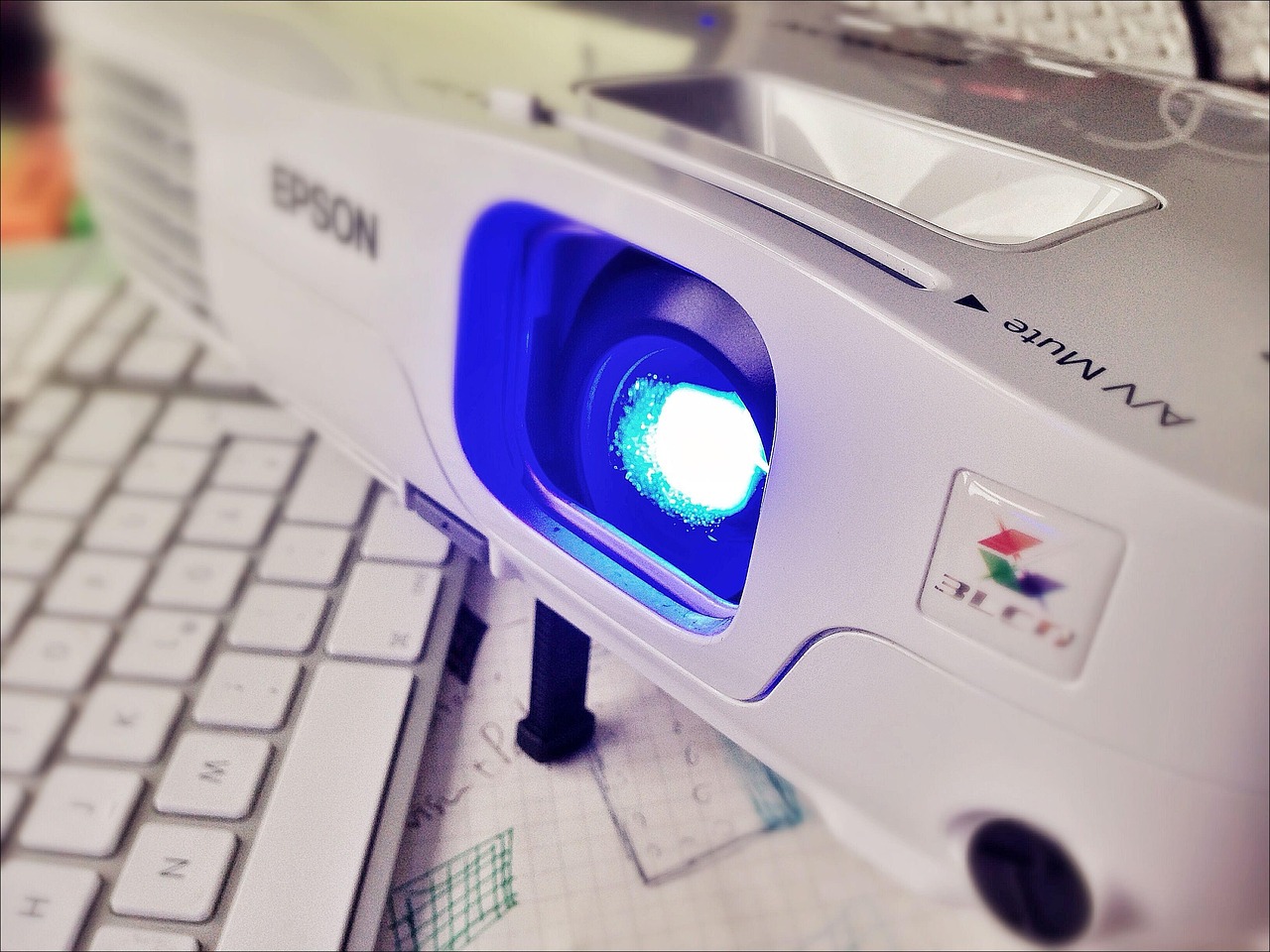

You Can’t Copy and Paste Learning
Most workplace training still leans heavily on presentations. Someone plans their talk, delivers it, and hopes people will remember it. But they don’t. In fact, research shows that people forget more than 40% of a presentation within an hour, and the forgetting continues as time passes. It’s not because people are lazy or disengaged. It’s because learning doesn’t work the way many training events are designed.
Learning isn’t something you can copy and paste from one mind to another. It’s not a download. It’s not a transfer. And it’s certainly not a slide deck.
Learning is a process—a dynamic, active, sometimes messy process that takes place inside the learner’s brain. It involves working memory, long‑term memory, prior knowledge, and the complex dance between attention, emotion, and meaning. When we treat learning as a process, everything about how we design training changes.
Learning Requires Action, Not Just Exposure
People build knowledge and skill through active engagement. That means they need to practise, discuss, question, debate, test ideas, and try things out. These actions trigger the cognitive processes that move information from short‑term memory into long‑term memory, where it can be retrieved and used later.
In day‑to‑day terms, this means learners need to do something with what they’re learning. They need to apply it, even in small ways. They need to make sense of it. They need to connect it to what they already know. And they need to try it out in a safe space before they’re expected to use it on the job.
This is why learning feels messy. But so does building a house. So does writing a book. So does learning to drive. Anything that involves real skill development involves trial, error, adjustment, and practice. It’s not uniform. It’s not predictable. And it’s not something you can standardize into a neat, one‑way presentation.
Why Presentations Alone Don’t Work
Presentations are easy. They’re predictable. You can deliver the same one many times. You can polish the slides, rehearse the timing, and feel confident that you’ve “covered the content.”
But covering content is not the same as building capability.
A presentation can be a useful tool, but it cannot be the learning experience. It can set the stage, offer clarity, or introduce ideas. But on its own, it doesn’t create the conditions for learning. And when organizations need agile skills to compete in a fast‑changing world, we can’t afford to rely on methods that don’t work.
The research is clear: people learn by doing. They learn by engaging. They learn by making meaning. They learn by trying, failing, adjusting, and trying again. If our training events don’t create space for that, we’re not supporting learning—we’re just delivering information.
Learning Is a Process, Not a Product
When we shift our mindset from “delivering content” to “supporting a learning process,” our design choices change. We stop asking, “What do I need to teach?” and start asking, “What do learners need to do to build this skill?”
This shift is subtle but profound. It moves the focus from the trainer’s performance to the learner’s performance. It moves us from presentation to practice. And it moves us from hoping people will remember something to creating conditions where they can’t help but learn.
How Can I Ensure My Training Events Support Learning?
Here are a few practical ways to design training that aligns with how people actually learn:
- Build in practice early and often. Don’t wait until the end of the session. Give learners small, low‑stakes opportunities to try things out. Even a two‑minute activity can make a difference.
- Use discussion to deepen understanding. Ask learners to explain ideas in their own words. Have them compare examples. Invite them to challenge assumptions. Discussion strengthens memory and meaning.
- Encourage trial and error. Learning requires mistakes. Create a safe space where learners can test ideas, get feedback, and adjust. This mirrors the real process of skill development.
- Connect new ideas to prior experience. People learn faster when they can link new concepts to what they already know. Ask questions that draw out their experience and use it as a foundation.
- Keep presentations short and purposeful. There’s nothing wrong with a good presentation. It just needs to support the real work of learning. Use it to frame, clarify, or inspire—not to replace practice.
- Design for performance, not recall. Ask yourself: “What should people be able to do after this?” Then design activities that help them do exactly that.
The Bottom Line
Learning isn’t a speech. It isn’t a slide deck. And it isn’t something we can hand over and expect people to absorb. Learning is a process—active, human, and sometimes messy. Our job in training and talent development is to make space for that process, support it, and guide people through it in ways that are effective and efficient.
When we design for what learners need to do—not just what we want to say—we create training that builds real capability. And that’s what organizations need most: people who can perform, adapt, and grow in a world that won’t slow down.

Comments are closed.